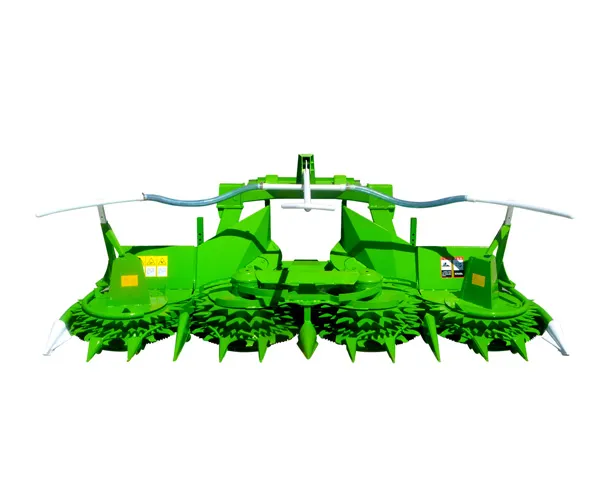
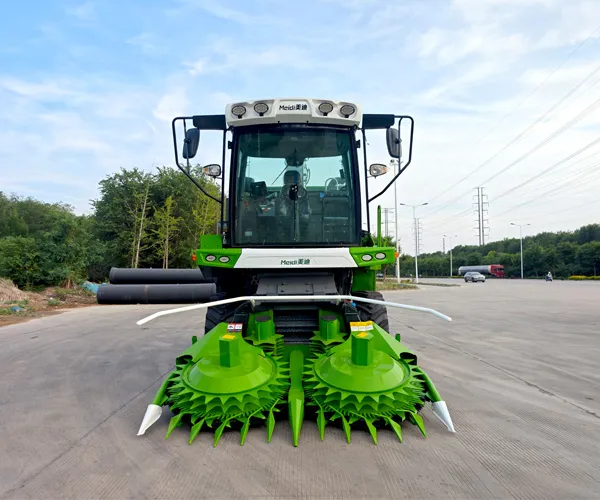
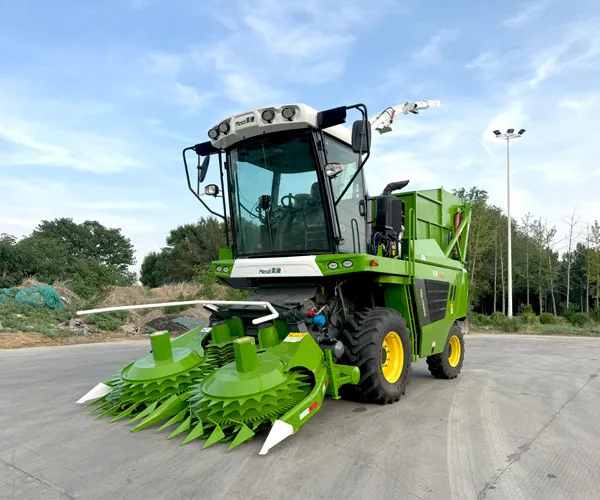
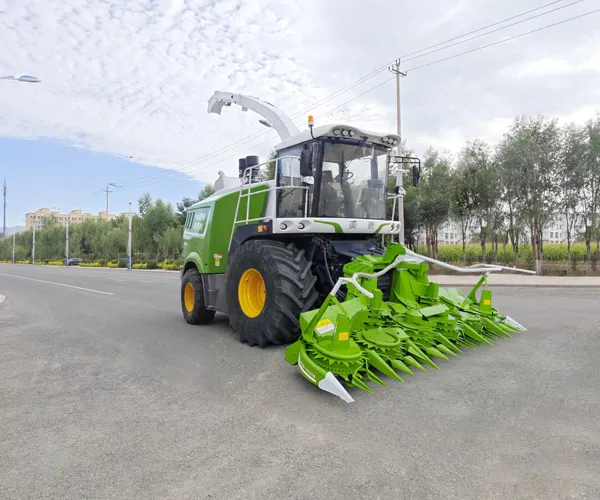
Importing a self-propelled forage harvester from China can be a strong business opportunity for dealers, but it is not a simple purchase. The right decision depends on local crop conditions, farm size, service capacity, spare parts planning, and the manufacturer’s ability to support the market long term.
For large dairy farms, beef cattle farms, and silage contractors, the machine must deliver reliable harvesting, consistent chopping, effective kernel processing, and low downtime. For dealers, it must also fit the local market and be easy to support after delivery.
Why Import Self-Propelled Forage Harvesters from China
China has become an important sourcing market for agricultural machinery, including self-propelled forage harvesters. For dealers, this creates access to a wide range of machine options, different configurations, and competitive sourcing opportunities.
In many regions, demand for silage production and large-scale livestock farming is growing. Large dairy farms, beef cattle farms, and silage contractors need machines that can harvest faster, reduce labor pressure, and improve feed quality. Dealers who can supply the right machine and provide practical after-sales support can build a strong and stable business.
The key is not only price. A successful import decision depends on whether the machine fits the local market and can be supported season after season.
How to Choose the Right Forage Harvester for Your Market
Before importing, dealers should study the real needs of their target customers. A large dairy farm, a beef cattle farm, and a silage contractor may all need a forage harvester, but their priorities can be different.
Crop Type Matters
Corn silage requires strong chopping consistency and effective kernel processing. Grass, haylage, and green fodder need smooth feeding and clean cutting. If the local market mainly harvests corn silage, dealers should focus on the grain crushing and chopping system. If customers harvest multiple forage crops, machine adaptability becomes more important.
Farm Size Matters
Not every customer needs the largest machine. A model that suits a large commercial silage contractor may be too much for a medium-sized farm. Dealers should match machine capacity with local acreage, harvest window, labor availability, and budget.
Service Conditions Matter
Some markets have strong local service networks, while others depend heavily on the dealer for spare parts, technical guidance, and maintenance support. Before importing, dealers should be clear about how they will support customers after delivery.
What to Check in a Chinese Forage Harvester Manufacturer
The manufacturer behind the machine is just as important as the machine itself. Dealers should evaluate whether the supplier has real manufacturing experience, technical communication ability, and long-term service awareness.
Manufacturing Background
A professional manufacturer should understand agricultural machinery structure, field performance, crop processing, and durability requirements. For complex machines such as self-propelled forage harvesters, experience matters because many design details affect long-term use.
Model Selection Support
A reliable supplier should not recommend the same machine to every customer. The right model depends on crop type, working area, terrain, expected capacity, and local service conditions. Dealers should expect practical model selection advice before placing orders.
Spare Parts Support
Spare parts planning should start before the machine is shipped. Dealers need to know which parts are commonly required, which wear parts should be stocked locally, and how replacement parts will be supplied during the harvest season.
Technical Communication
Clear communication helps reduce mistakes in machine selection, operation, and maintenance. Dealers should choose a supplier that can explain machine functions, service requirements, and operating guidance in a practical way.
Why Dealers Partner With Meidi?
For importers and agricultural machinery dealers, choosing the right supplier is about more than buying a machine. It is about building a product line that can be supported in the local market for years.
At Meidi, we have worked in agricultural machinery manufacturing since 1992. We focus on practical forage harvesting solutions designed for real farm conditions, with attention to durability, field performance, and long-term use.
We support dealers with model selection guidance, crop-based machine recommendations, spare parts planning, and clear technical communication. Our goal is to help partners choose equipment that fits their local market and can be trusted season after season.
For dealers, this means more than a single sale. It means a better chance to build customer confidence, after-sales service opportunities, and long-term business value.
FAQs
Q1: Is importing a self-propelled forage harvester from China suitable for new dealers?
Yes, but new dealers should begin with market research, model selection, spare parts planning, and technical preparation. After-sales support must be ready before the first sale.
Q2: What should dealers check before choosing a Chinese supplier?
Dealers should check manufacturing experience, machine structure, crop adaptability, spare parts supply, technical communication, service support, and model selection guidance.
Q3: What crops can a self-propelled forage harvester usually handle?
It is commonly used for corn silage, grass, haylage, and green fodder. The exact application depends on the machine configuration and local crop conditions.
Q4: Why is spare parts planning important before importing?
Harvest season is short, and downtime is costly. Preparing key wear parts and service parts in advance helps protect customer trust and dealer reputation.
Bonnie
Bonnie creates content that bridges agriculture and technology. With a background in agronomy, she focuses on user-centered insights and real-world solutions to help farmers optimize their daily operations.