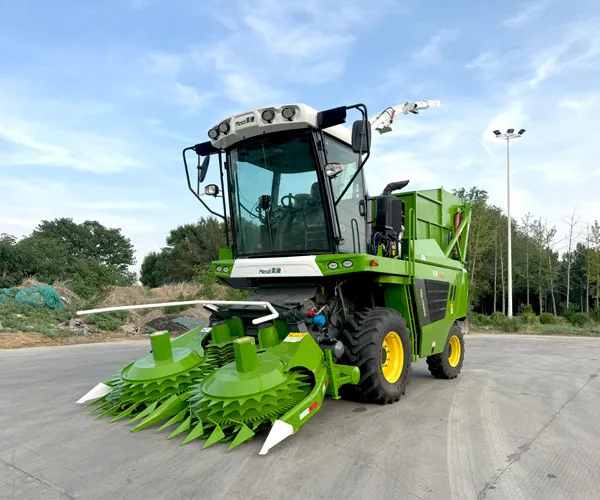
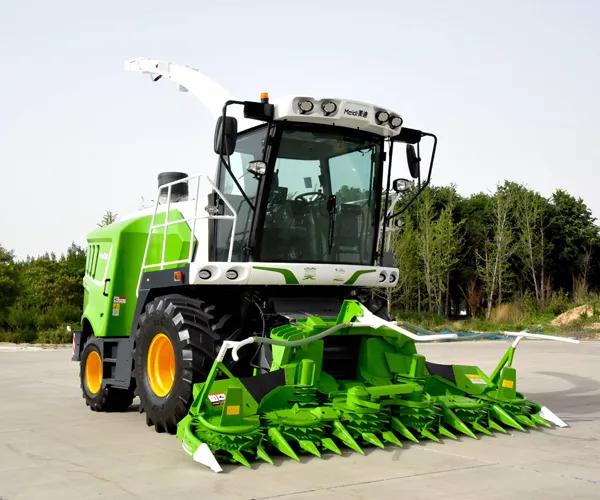
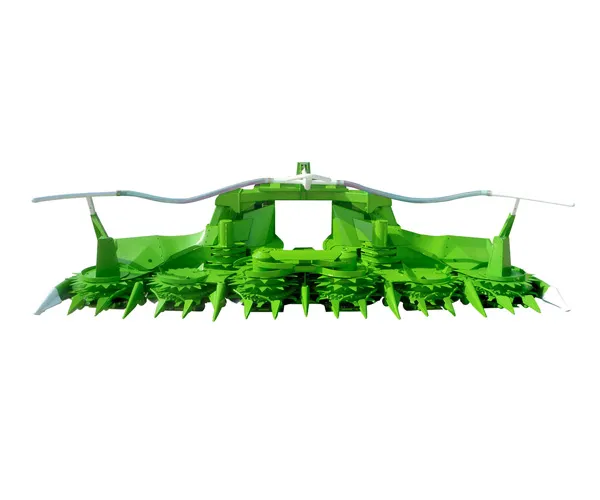
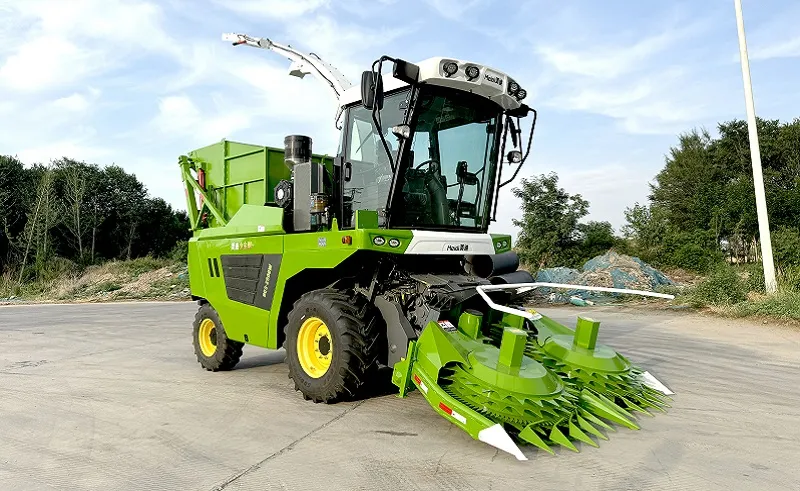
A forage harvester works under tough conditions. Dust, crop juice, vibration, heat, and long working hours all put pressure on the machine. Most operators already know the basics: check oil, grease key points, inspect tires, and keep the machine clean. But some smaller details are easy to overlook. These details may not stop the machine immediately, but they can affect chop quality, crop flow, kernel processing, fuel use, and long-term durability.
Why Small Maintenance Details Matter During Silage Season?
Forage harvesting is time-sensitive. Corn silage, grass silage, haylage, and green fodder all need to be harvested within a practical window. If the machine loses performance at the wrong time, the whole harvest chain can be affected.
Small issues often show up first as uneven chop length, slower crop flow, higher engine load, unusual vibration, or weaker kernel processing. These are early warning signs that one part of the machine needs attention.
Three Areas That Are Often Overlooked
1. Cutterhead and knives
The cutting system is one of the most important areas of forage harvester maintenance. Sharp knives and proper adjustment support clean cutting, stable crop flow, and consistent material size. Dull knives can increase machine load, reduce chop quality, and make the forage less uniform. The cutterhead, knives, shear bar, and sharpening system should be checked before heavy daily operation begins.
2. Feeding system
Smooth crop flow is just as important as cutting performance. Dirty or worn feed rollers, blocked intake areas, and crop residue inside the feeding path can cause uneven chop length or repeated plugging. A simple end-of-day cleaning routine can prevent bigger problems the next morning.
For a self-propelled forage harvester, operators should also pay attention to how travel speed matches crop density. Feeding too aggressively in heavy crop conditions may overload the system and increase the risk of blockage.
3. Grain crusher
For corn silage, the grain crusher or kernel processor deserves special attention. If kernels are not processed properly, feed value can drop. Operators should check roller wear, roller gap, and any foreign material in the processing system.
Daily Checks That Help Prevent Downtime
Basic maintenance points are easy to underestimate, but they strongly influence uptime. Lubrication, belts, bearings, and hydraulic points should be checked regularly, even if the machine has automatic systems.
Belts and bearings should be inspected for wear, heat, noise, and tension. Hydraulic hoses, fittings, seals, and oil levels also need attention because hydraulic issues can affect steering, header movement, and discharge control.
Common Forage Harvester Troubleshooting Signs to Watch For
Recording repeated issues helps dealers and service teams identify patterns and recommend the right spare parts before the next season.
How Dealers Can Support Customers
Maintenance support is part of the product value. Customers judge the machine not only on delivery day, but during harvest season, when performance matters most.
Dealers can build trust by helping customers prepare before the season begins. Useful support includes operator training, spare parts planning, basic troubleshooting guidance, and clear maintenance schedules. Common wear parts should be discussed early, not after a breakdown happens.
Meidi provides maintenance support to help customers better understand machine care, seasonal inspection, and long-term equipment use.
Conclusion
Forage harvester maintenance is not only about big repairs. In many cases, the most important work is paying attention to details that are easy to overlook: knife sharpness, feeding stability, grain crusher condition, lubrication, belts, bearings, hydraulic points, and daily cleaning.
These areas directly affect harvesting efficiency, chop quality, kernel processing, and downtime risk. Better maintenance helps farm owners protect feed quality, helps contractors protect schedules, and helps dealers strengthen customer trust.
FAQ About Forage Harvester Maintenance
Q1: How often should a forage harvester be maintained during harvest season?
Daily inspection is recommended during heavy harvest work. Operators should check the cutting system, feeding path, lubrication points, hydraulic condition, crop residue buildup, and visible wear before or after each working day.
Q2: What are the most common forage harvester troubleshooting signs?
Common warning signs include uneven chop length, frequent blockage, higher engine load, unusual vibration, weak kernel processing, hydraulic response delay, and abnormal noise from belts or bearings.
Q3: Why does chop quality become uneven during operation?
Uneven chop quality may be caused by dull knives, incorrect adjustment, unstable crop feeding, worn components, or excessive operating speed in heavy crop conditions.
Q4: What spare parts should dealers prepare before silage season?
Dealers should consider stocking commonly used wear parts such as knives, belts, bearings, lubrication components, filters, feeding system parts, and grain crusher-related wear parts based on the machine model and local crop conditions.
Bonnie
Bonnie creates content that bridges agriculture and technology. With a background in agronomy, she focuses on user-centered insights and real-world solutions to help farmers optimize their daily operations.