For large dairy farms, cattle operations, silage contractors, and agricultural machinery dealers, choosing the right self-propelled forage harvester is far more than a simple equipment purchase. It is a strategic decision that directly impacts harvest speed, silage quality, labor efficiency, equipment uptime, and long-term return on investment.
A high-performance self-propelled fodder harvester must do more than move through the field. It needs to cut crops cleanly, feed material smoothly, chop consistently, crush kernels effectively, and discharge forage reliably into transport vehicles. For operations working with corn silage, grass, haylage, or green fodder, these details determine feed quality and livestock productivity.
Why Self-Propelled Forage Harvesters Excel on Large Farms
Self-propelled forage harvesters stand out because they integrate their own engine, drive system, cab, feeding, chopping, and discharge systems. Unlike pull-type equipment, they offer greater independence, better control, higher efficiency, and stable performance during long hours.
This matters enormously on large farms where harvest windows are short. Crops must be harvested at optimal moisture, chopped to the right length, and stored quickly for ideal fermentation. A reliable self-propelled forage harvester reduces delays and keeps operations moving when timing is critical.
Key Factors to Consider When Choosing a Self-Propelled Forage Harvester
1. Match Machine Capacity to Your Farm Scale and Harvest Windows
Large acreage and tight schedules demand high-capacity machines. Slow harvesting risks quality loss, delayed storage, and increased labor pressure. High-throughput self-propelled forager models help complete more work per day and minimize weather-related risks.
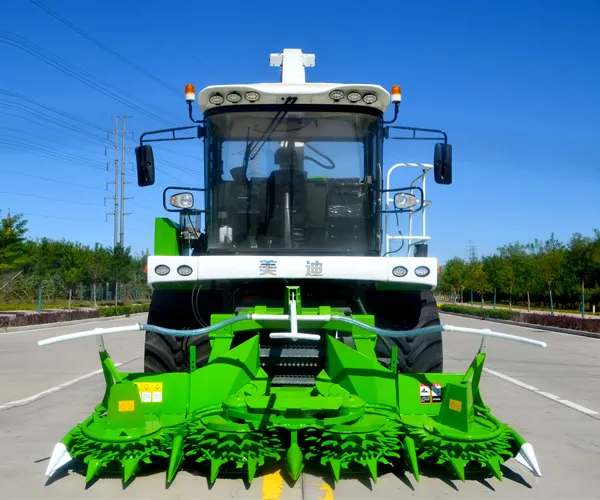
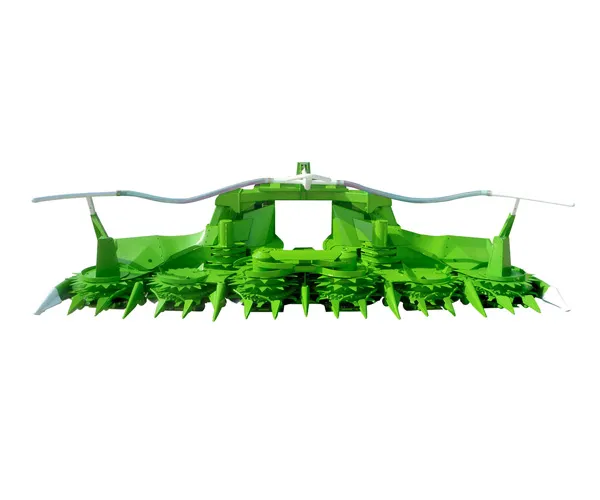
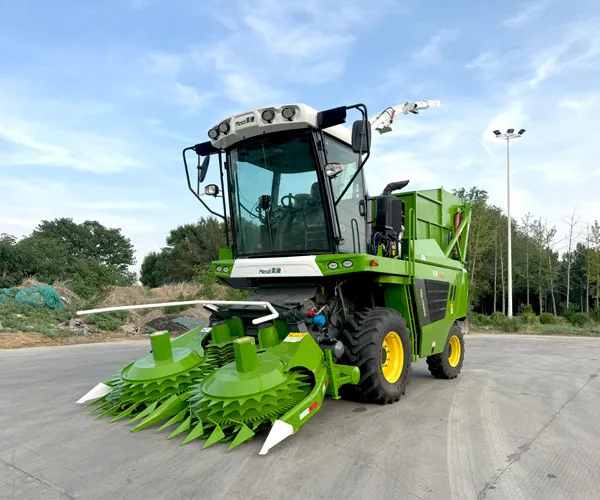
Meidi offers a range of 9QS series models—including 9QS-4500T (480 HP, 4.5m header, up to 100 tons/hour), 9QS-3400W, 9QS-4500S, and others—to suit different farm sizes and budgets.
2. Engine Power, Stability, and Field Performance
Power must handle dense corn, wet grass, uneven terrain, and extended days. Look for strong torque, fast response, efficient cooling, and a robust hydrostatic drive system. Meidi harvesters maintain stable operation under pressure, reducing overload risks and supporting continuous fieldwork.
3. Feeding, Chopping, and Grain Crushing Quality
Smooth, even feeding prevents blockages and ensures consistent chop lengths (typically adjustable 6–22 mm). For corn silage, effective kernel crushing (≥97% rate) is crucial for starch utilization and better livestock nutrition. Tungsten carbide blades and advanced roller systems in Meidi models deliver clean cuts, fuel efficiency, and superior feed quality.
4. Operator Comfort, Maintenance, and Long-Term Reliability
Harvest season is demanding. Features like automatic knife sharpening, automatic lubrication, electro-hydraulic controls, and easy service access keep operators productive and reduce downtime. Low loss rates (≤3%) and durable components maximize uptime.
When Is a Self-Propelled Forage Harvester Worth the Investment?
It becomes essential when scale, labor costs, or feed quality demands exceed smaller machines. For silage contractors, it’s an income-generating asset that allows serving more clients during peak season. For dairy and beef operations, uniform chopping and crushing directly improve daily feeding performance and animal productivity.
Why Choose Meidi Self-Propelled Forage Harvesters?
Meidi designs machines for real field conditions, balancing engineering excellence with business value. Our self-propelled forage harvesters help farm owners finish faster while giving dealers reliable products that build customer trust and repeat business.
Versatile Model Range: Options for different horsepower, headers, and configurations.
High-Efficiency Processing: Superior chopping and grain crushing for better silage.
User-Friendly Design: Automation that reduces workload and simplifies maintenance.
Proven Manufacturing Experience: Since 1992, Meidi provides strong technical support, training, and parts availability for international partners.
A reliable self-propelled fodder harvester creates value beyond the initial sale—through higher efficiency, reduced downtime, spare parts demand, and stronger market reputation.
Conclusion
Selecting the right self-propelled forage harvester for large farms should focus on real-world performance, not just specifications. The ideal machine helps farms harvest faster, produce consistent high-quality silage, ease labor demands, and protect feed value during critical windows. For dealers and contractors, it strengthens competitiveness and long-term partnerships.
At Meidi, we deliver practical forage harvester solutions built for durability, efficiency, and profitability. Whether you manage a large dairy operation or supply equipment regionally, contact us to find the model that aligns with your goals. Let’s build lasting success together.
FAQ About Self-Propelled Forage Harvesters
Q1: What is the main advantage of a self-propelled forage harvester?
A: It integrates power, driving, feeding, chopping, and discharge systems into one unit, delivering higher efficiency, better field control, and greater daily output—especially valuable for large farms and contractors.
Q2: How does grain crushing affect silage quality?
A: Effective crushing (over 97%) breaks kernels thoroughly, improving starch availability, fermentation, and livestock nutrition. This directly boosts feed value and farm profitability.
Q3: What should I check before buying a self-propelled harvester?
A: Evaluate engine power, feeding/chopping performance, grain crushing quality, maintenance features, spare parts availability, and supplier support. These determine both field results and long-term costs.
Q4: Are self-propelled silage harvesters different from forage harvesters?
A: The terms are often used interchangeably. Silage-focused models emphasize chopping for storage, while forage harvesters cover a broader range including grass, haylage, and green fodder.
Ready to optimize your harvesting? Visit Meidi for expert guidance and tailored solutions.
Related Products
9QS-4500T Self-Propelled Green Fodder Harvester
9QS-3600 Green Fodder Harvester
9QS-3400W Self-Propelled Forage Harvester
9QS-6000S Silage Harvesters
9QS-4500S Self-Propelled Green Forage Harvester
9QS-2800W Self-Propelled Green Forage Harvester
Bonnie
Bonnie creates content that bridges agriculture and technology. With a background in agronomy, she focuses on user-centered insights and real-world solutions to help farmers optimize their daily operations.