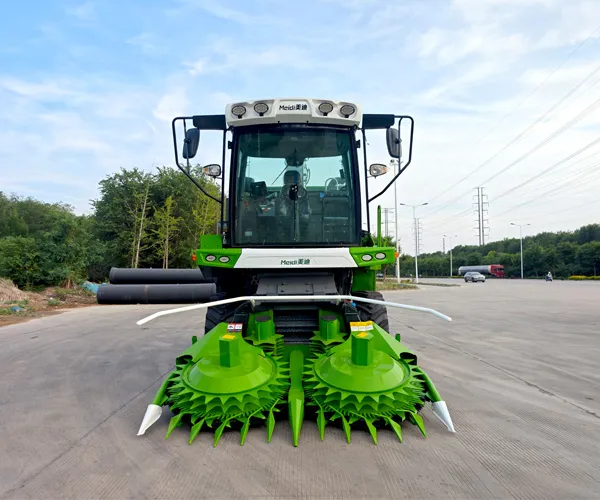
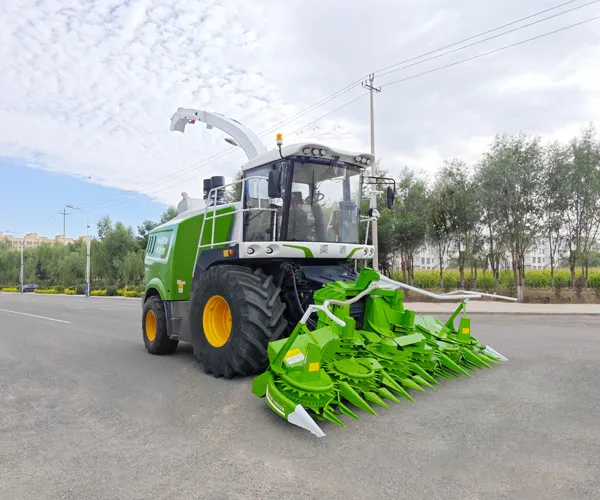
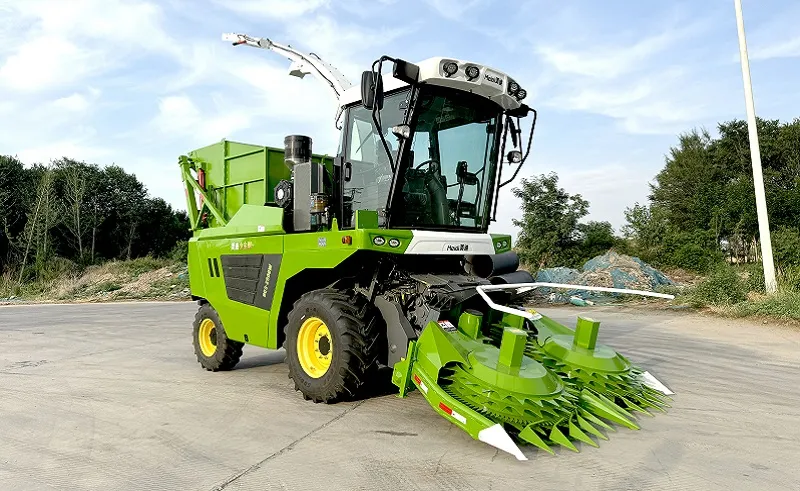
In agricultural machinery, a harvester is a broad term for machines used to collect crops, while a forage harvester is a specialized machine designed to cut and chop green fodder crops such as grass, corn, alfalfa, and silage materials. In simple terms, a forage harvester is a type of harvester, but not every harvester is a forage harvester.
For farmers, dealers, and machinery buyers, this difference matters because the machine structure, cutting principle, output form, and end use are all different. A grain harvester focuses on clean kernel collection, while a forage harvester focuses on high-throughput chopping and feed preparation for livestock.
What Is the Difference Between a Harvester and a Forage Harvester?
A crop harvester, such as a combine harvester, is typically used to gather mature crops like wheat, rice, corn, soybeans, and other grains. Its main job is to cut the crop, separate the edible part from the plant, and collect usable grain efficiently.
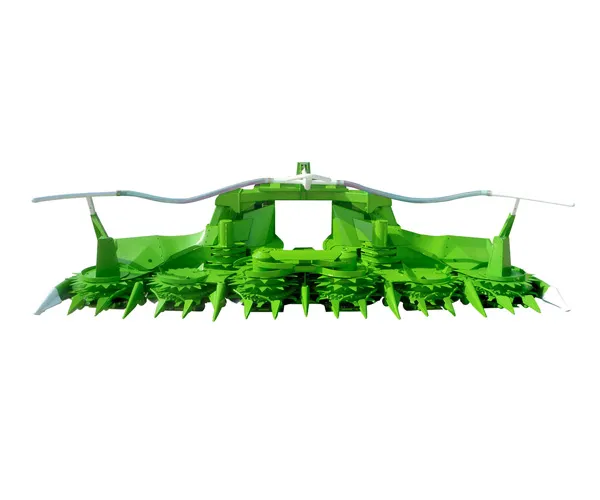
A forage harvester, by contrast, is built to process whole green plants. It cuts the crop and chops it into uniform short pieces so the material can be used as silage, haylage, or fresh animal feed. This is why forage harvesters are designed with feed rolls, cutterheads, discharge systems, and sometimes specialized headers for grass pickup or corn harvesting.
Core difference at a glance
Item
Harvester (Combine Harvester)
Forage Harvester
Main purpose
Harvest grain or seed crops
Harvest and chop forage crops
Typical crops
Wheat, rice, corn, soybeans
Grass, alfalfa, corn silage, sorghum
Harvesting Focus
Grain extraction
Whole plant utilization
Output
Grain, seed, or crop product
Chopped forage material
Final use
Food, feed, or sale grain
Livestock feed, silage, haylage
Working Principle
Separates grain from stalks and removes impurities
Cuts and chops entire plant into small pieces
Crop Processing
Removes unwanted plant material
Processes entire biomass for fermentation
Machine Complexity
Complex separation and cleaning system
High-speed chopping system with continuous crop flow
Wear & Maintenance
Moderate wear parts
High wear due to intensive chopping and crop flow
Typical Farm Type
Grain farming operations
Livestock and dairy farming operations
Value Output
Maximizes grain yield
Maximizes feed quality and biomass value
What Is a Forage Harvester Used For?
A forage harvester is mainly used to produce feed materials for livestock. It harvests crops such as grass, corn, alfalfa, and whole-crop plants, then chops them into small pieces for storage and fermentation.
In modern dairy and beef operations, forage harvesters are widely used for silage production because silage helps preserve nutrients and create a stable, year-round feed supply. In practice, this means the machine supports both farm productivity and feed consistency. For dealers and farm owners, this is why forage harvesters are more than cutting machines. They are feed-processing assets that directly affect feeding efficiency, forage quality, and long-term operating economics.
What Are Advantages of Forage Harvesters?
Higher Efficiency:A forage harvester can cut, chop, and discharge material continuously, which helps farms handle large volumes in a shorter time.
Improved Feed Quality:When crop flow, feed roll speed, and cutterhead settings are properly adjusted, the machine can deliver a more uniform length of cut, which helps improve silage consistency and storage performance.
Versatility:Many forage harvesters can work with different headers or attachments, allowing them to handle grass, corn, and other forage crops across different field conditions.
Strong ROI : For dealers, durable forage harvesters create stronger customer satisfaction, fewer downtime complaints, and better long-term service relationships. For farm owners, reliable machines reduce harvest risk during short seasonal windows.
How Does a Crop Harvester Work?
A crop harvester, especially a combine harvester, works by combining several steps into one machine. It cuts the crop, feeds it into internal threshing and separating systems, removes the grain from stalks and husks, and stores or unloads the harvested grain.
The key point is that a grain harvester is designed to separate the valuable part of the crop from the rest of the plant. That is very different from a forage harvester, which is designed to process the entire crop into chopped material rather than separate grain from straw.
In commercial farming, this difference affects machine design, field operation, power requirements, and maintenance priorities. A grain harvester needs strong separation and cleaning systems, while a forage harvester needs stable crop intake, sharp cutting performance, and clean discharge flow.
How Does a Forage Harvester Work with Grass?
When working with grass, a forage harvester first receives the crop through its feeding system. Feed rolls compress and guide the material into the cutterhead so the machine can chop it into a consistent length.
After chopping, the material is blown or discharged through the outlet into a trailer, wagon, or transport unit running alongside the machine. This workflow makes it possible to harvest large amounts of grass quickly during the narrow window when forage quality is at its best.
For grass silage, uniform chop length and clean crop flow are important. They help support packing density, fermentation quality, and feed stability during storage.
Maintenance Matters
For machinery buyers, the real difference between a good forage harvester and a weak one is often durability, serviceability, and daily reliability. Regular cleaning, inspection of belts, fasteners, lubrication points, and crop-contact parts can reduce downtime and protect the machine in demanding harvest seasons.
A clean machine is also safer and more productive. Industry maintenance guidance commonly emphasizes removing debris after use to reduce fire risk, corrosion, and contamination. From a manufacturer's perspective, this is where design quality matters. Strong structure, easy access for maintenance, and stable core components are what help a forage harvester deliver real long-term value.
Buying Guidance for Dealers and Farms
If your customer mainly grows grain crops, a combine harvester may be the right solution. If the customer needs to produce silage, grass feed, or chopped forage for livestock, a forage harvester is the more suitable machine. When recommending equipment, focus on crop type, field size, labor availability, feed system requirements, and service support.
Conclusion
The difference between a harvester and a forage harvester comes down to purpose: a harvester usually collects grain or seed crops, while a forage harvester cuts and chops green crops for livestock feed. A forage harvester is especially valuable for grass and silage production because it helps farms harvest faster, preserve feed quality, and improve operational efficiency.
At Meidi Machinery, we design forage harvesters with one goal in mind: durability in the field, consistency in performance, and profitability for our partners. If you're expanding your agricultural equipment line or optimizing your farm operations, choosing the right machine is the first step—and the smartest investment. Feel free to reach out for technical consultation, model selection, or dealership opportunities.
Bonnie
Bonnie creates content that bridges agriculture and technology. With a background in agronomy, she focuses on user-centered insights and real-world solutions to help farmers optimize their daily operations.
We use cookies to offer you a better browsing experience, analyze site traffic and personalize content. Part of the tracking is necessary to ensure SEO effectiveness, By using this site, you agree to our use of cookies. Visit our cookie policy to learn more.