Engine
A renowned engine delivers strong torque, rapid response, and low fuel use. An advanced cooling and self-cleaning system minimizes maintenance needs and boosts durability.

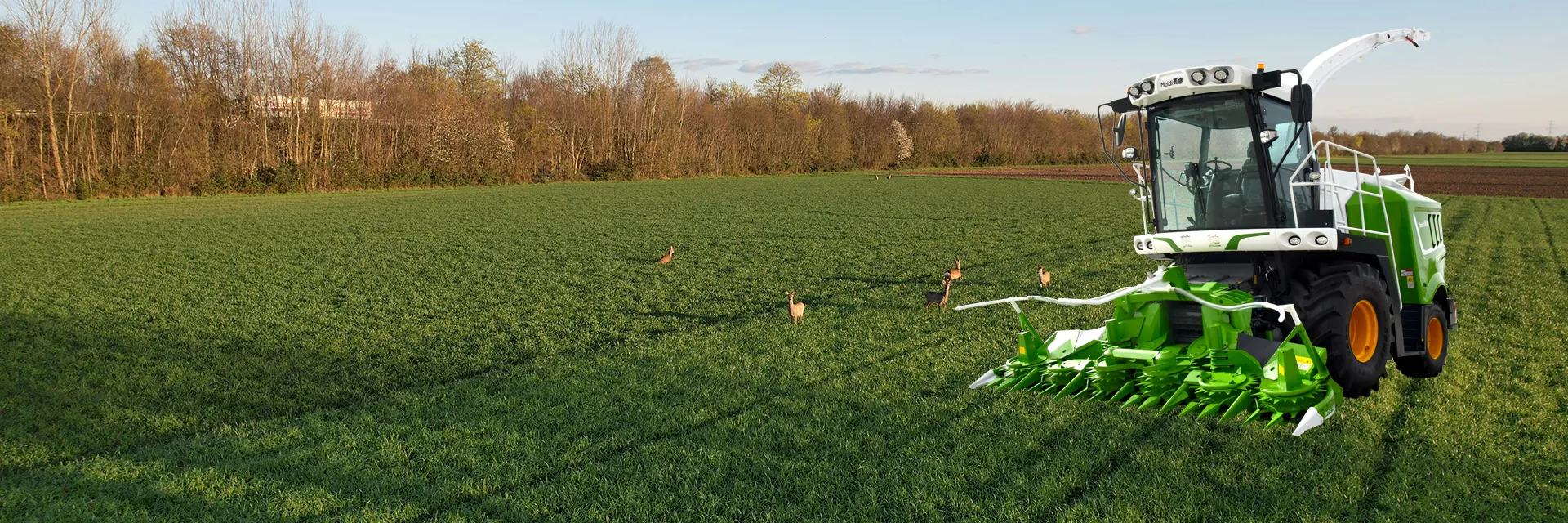
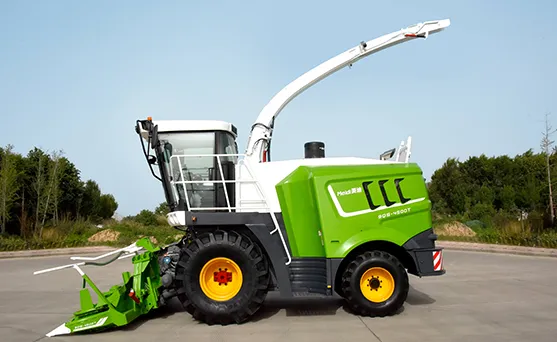
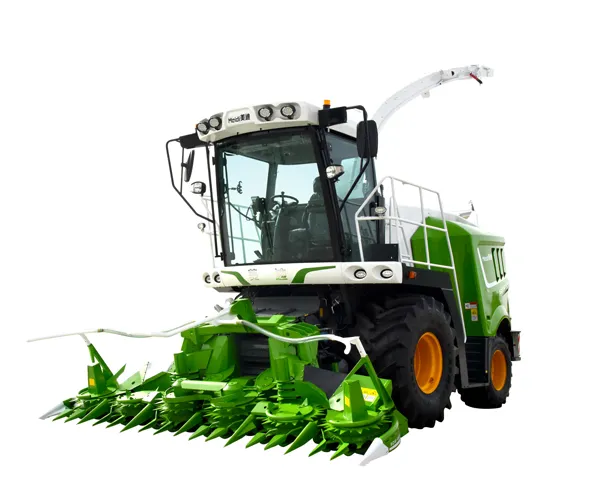
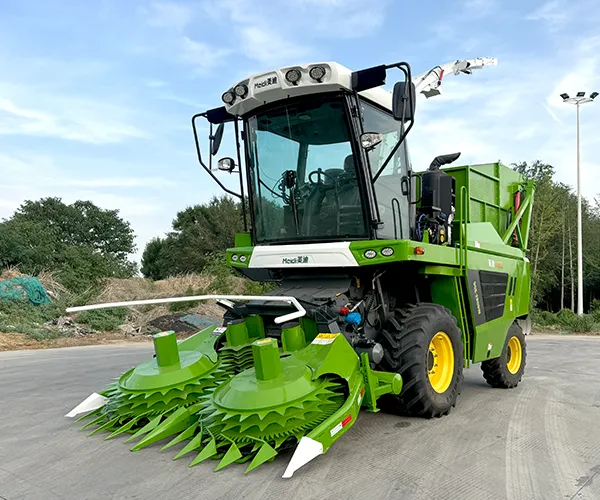
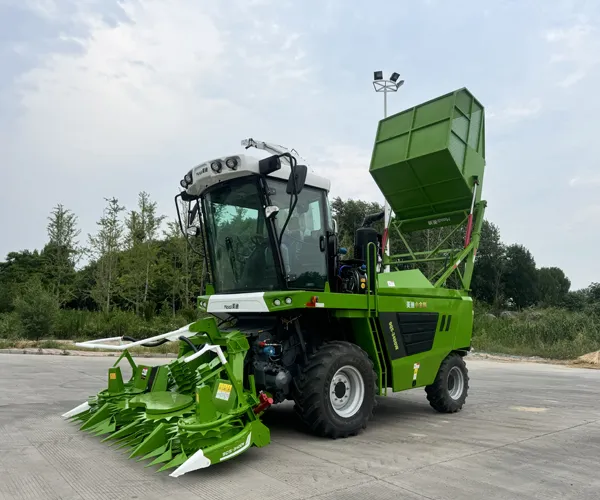
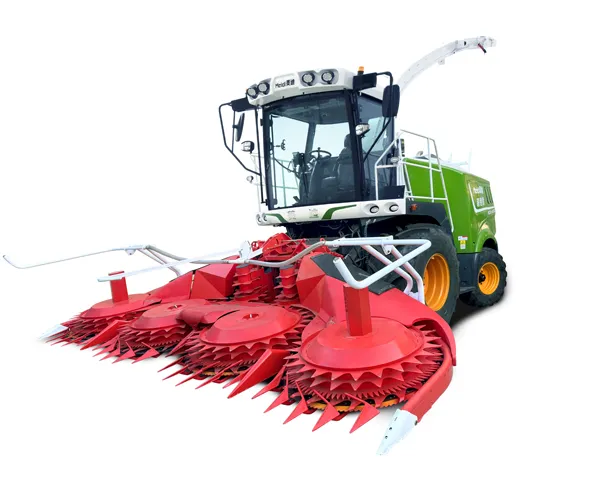
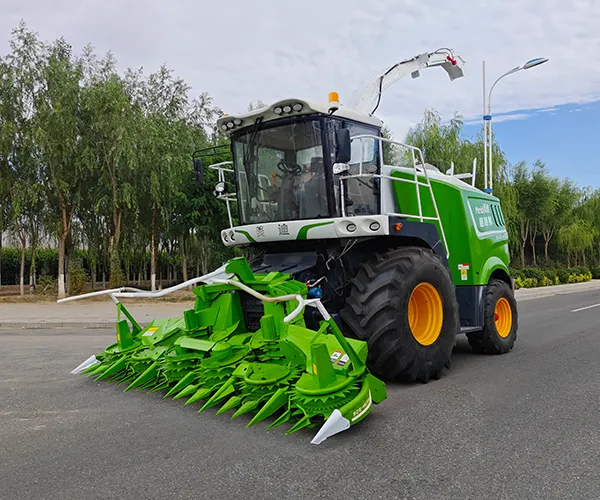
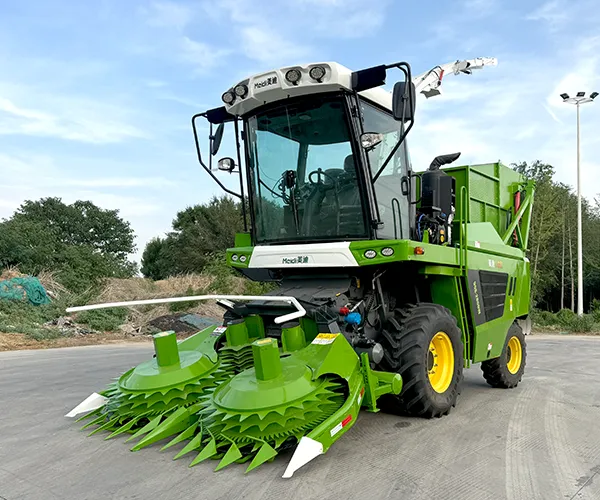
Meidi Machinery has developed high-performance forage harvesters adapted to a variety of regional conditions. With breakthroughs in core technology proven in practical operation, the company has become a leader in driving industry progress.
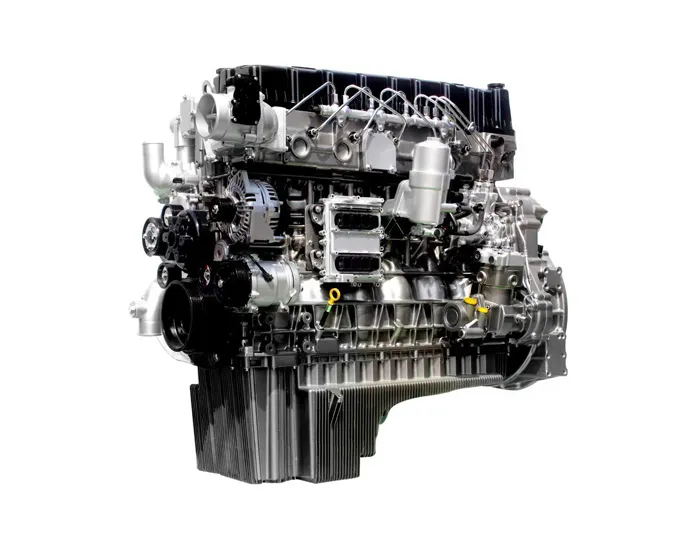
A renowned engine delivers strong torque, rapid response, and low fuel use. An advanced cooling and self-cleaning system minimizes maintenance needs and boosts durability.
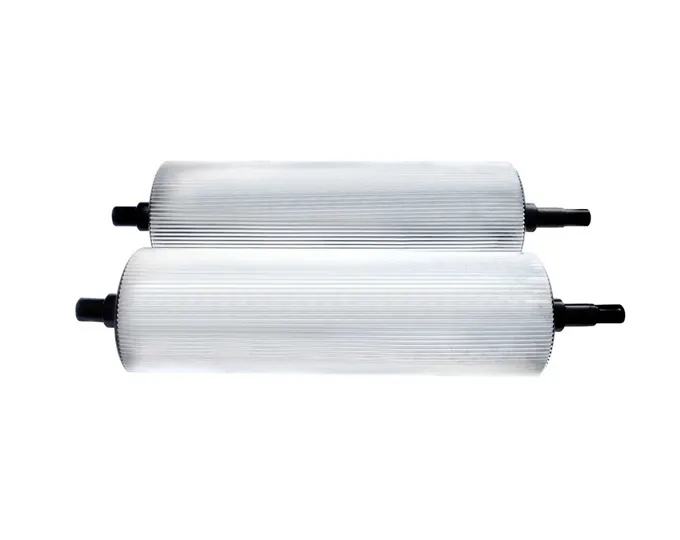
Specially treated crusher rollers achieve over 97% crushing rate. Durable materials extend service life and ensure consistent performance.
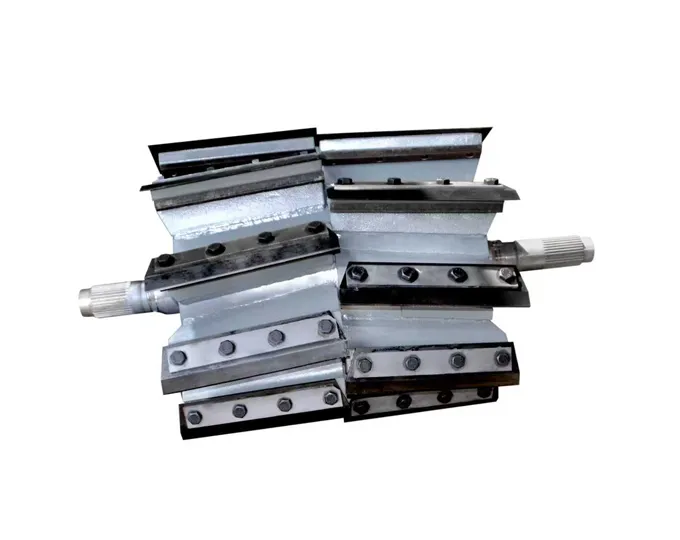
Twenty enclosed rollers with tungsten carbide blades provide clean cuts, lower fuel use, and high wear resistance.
A hydraulic-electric sharpening system keeps blades consistently sharp with minimal operator effort.
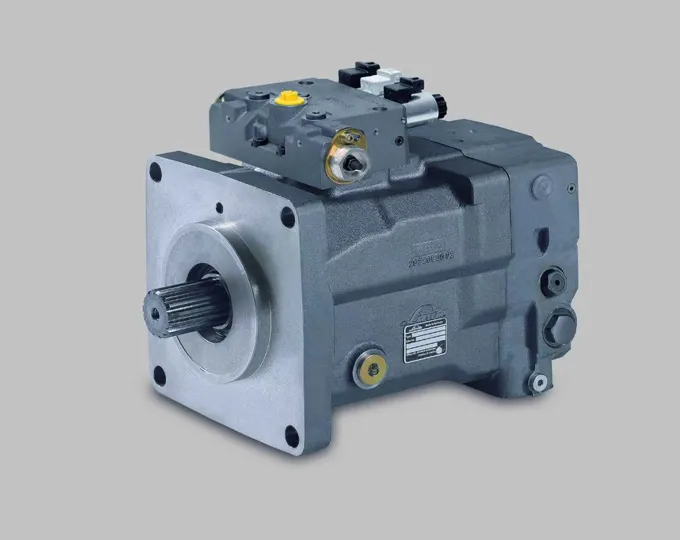
A German hydrostatic drive ensures smooth travel and easy operation, reducing effort and boosting field efficiency.
German-designed automatic lubrication extends bearing life and cuts maintenance time.
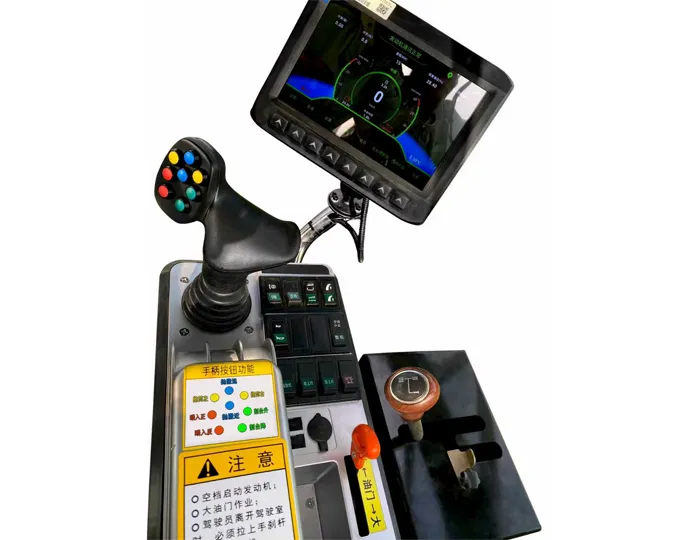
An electro-hydraulic control system offers effortless operation and a comfortable experience.
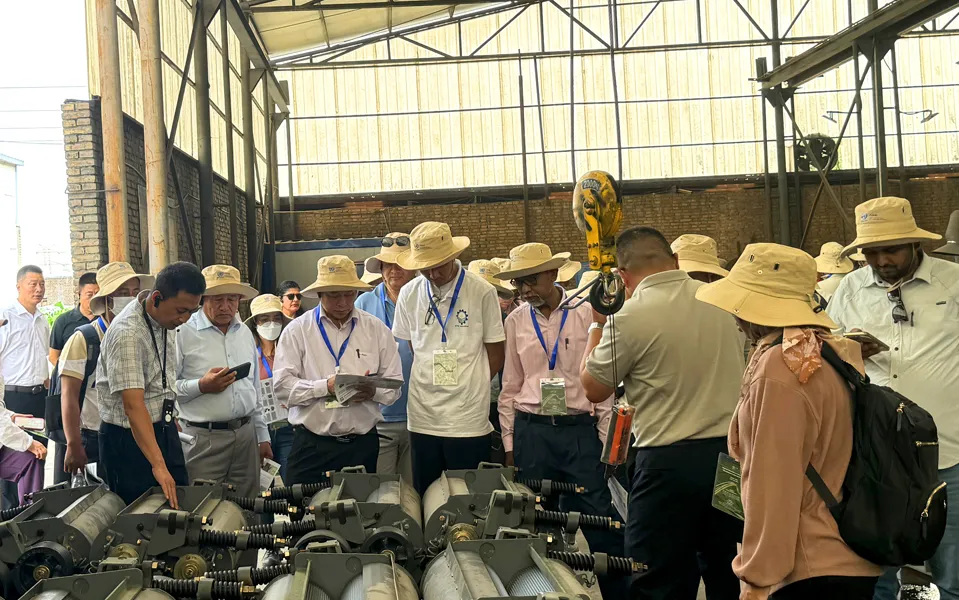
Forage Harvesters
These multifunctional units are capable of both cutting and chopping forage crops, often loading them directly into transportation.
Farm Scale & Output
The acreage used for forage directly affects machinery choice. Pull-type models are suitable for small farms with a simpler solution, while self-propelled models offer peak productivity and are typically used for large-scale operations.
Forage Variety
The crop type—such as hay, silage, or haylage—influences the machinery required. Hay relies on mowing and raking, while silage demands chopping and compacting tools.
Field Topography
Uneven or hilly land may call for equipment designed for enhanced agility and stable operation on slopes.
Budget Planning
Equipment costs vary widely. Define a realistic budget and explore value-focused choices, including pre-owned or leased machinery.
Add all required fluids before starting. Never start the engine without oil and coolant.
Ensure gear is in neutral and main clutch is disengaged. Lubricate per manual, especially turbocharger bearings.
Start and run at 600–800 rpm for 5 minutes. Check instruments and sounds. Gradually increase speed and idle 30–40 minutes.
Use low gear on slopes. Avoid stopping or shifting mid-slope. Never coast in neutral.
Maintain rated speed during operation to avoid blockages or poor cut quality. Engage drum at low RPM (≈800 rpm).